What the Data Reveals
Over the past year, the UK labour market was hit by job losses and rising unemployment, creating a larger job-seeker pool, higher apply rates and decreased recruitment costs. This blog offers a snapshot of key findings from Appcast’s 2026 UK Recruitment Marketing Benchmark Report, and what they mean for employers today.
Labour Market Insights
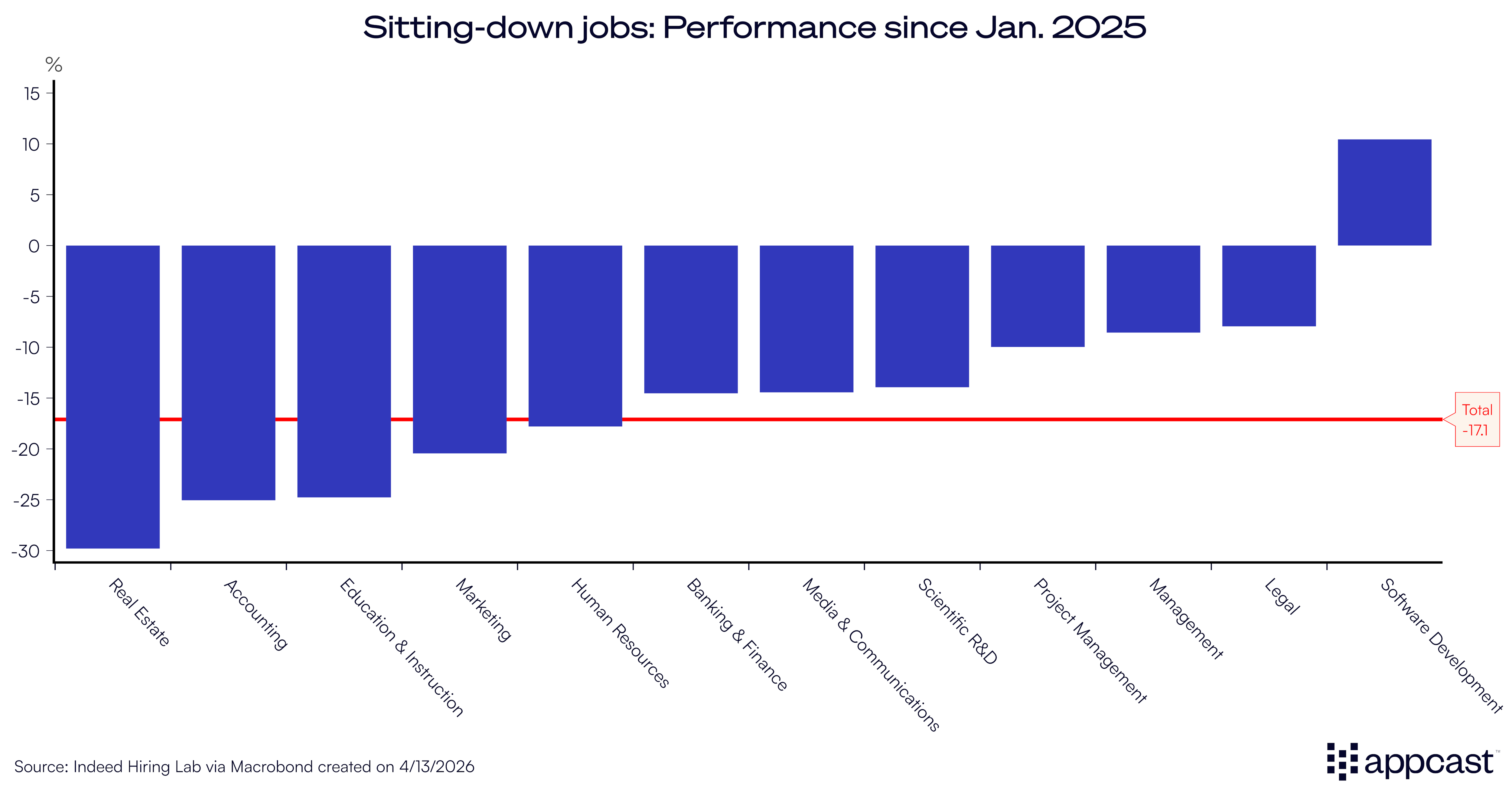
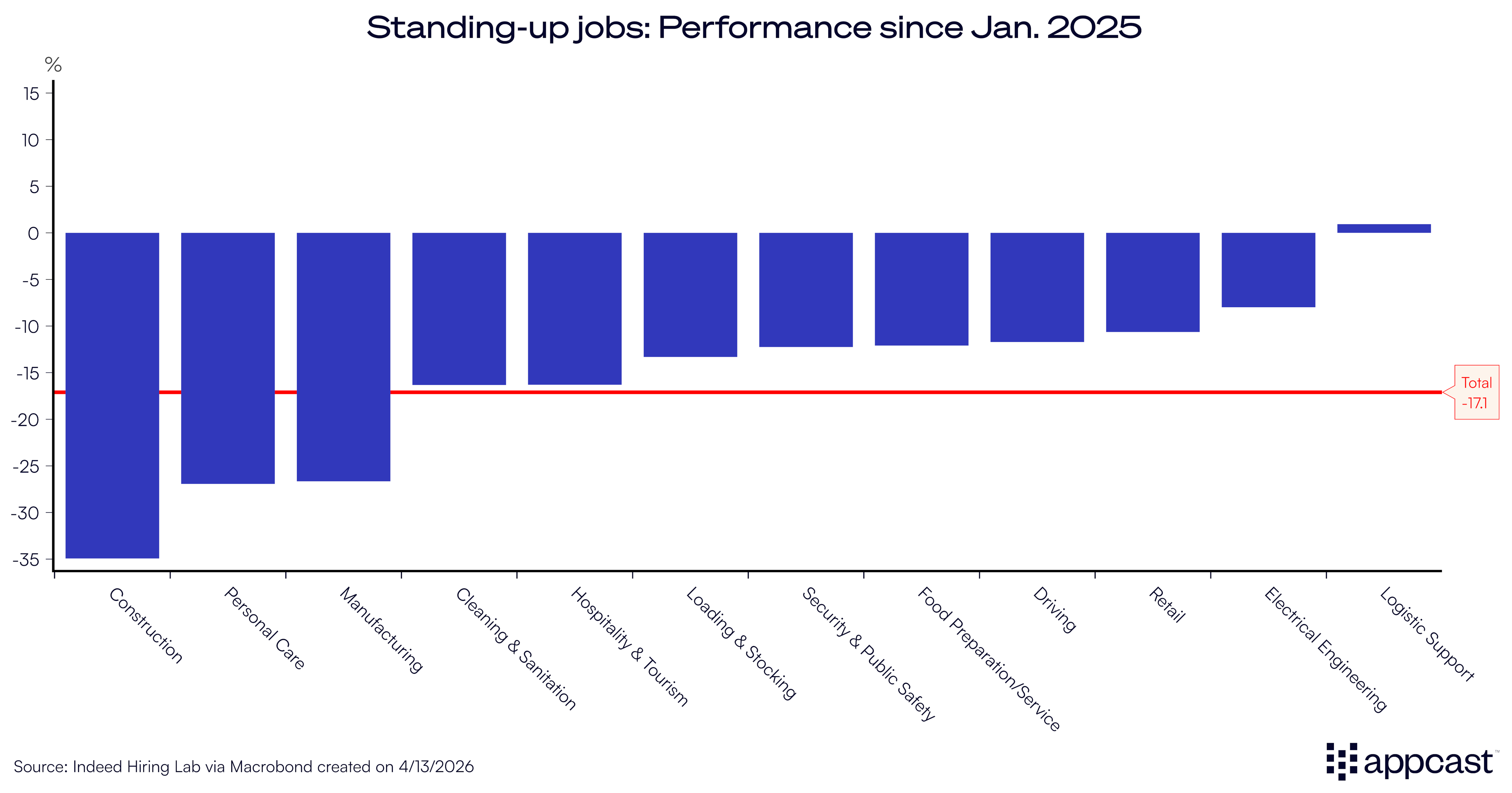
From 2024 to the start of 2026, the UK unemployment rate increased, expanding the active job-seeker pool. This means that more candidates are now competing for fewer roles.
Current data shows that hiring is starting to level out, and an economic recovery may happen by the end of the year. However, higher oil prices could slow things down and raise the risk of a stagnant economy.
Another economic factor that is influencing the labor market is the minimum wage increases. Minimum wage now stands at 66% of the national median wage. Higher employment costs have led to less hiring, especially in retail, hospitality, and care, where wage costs are the hardest to manage. Because of this, youth unemployment has risen to 16%, the highest level since 2015. In 2026, policy support is expected to be limited, as wages and inflation are still growing at high levels.