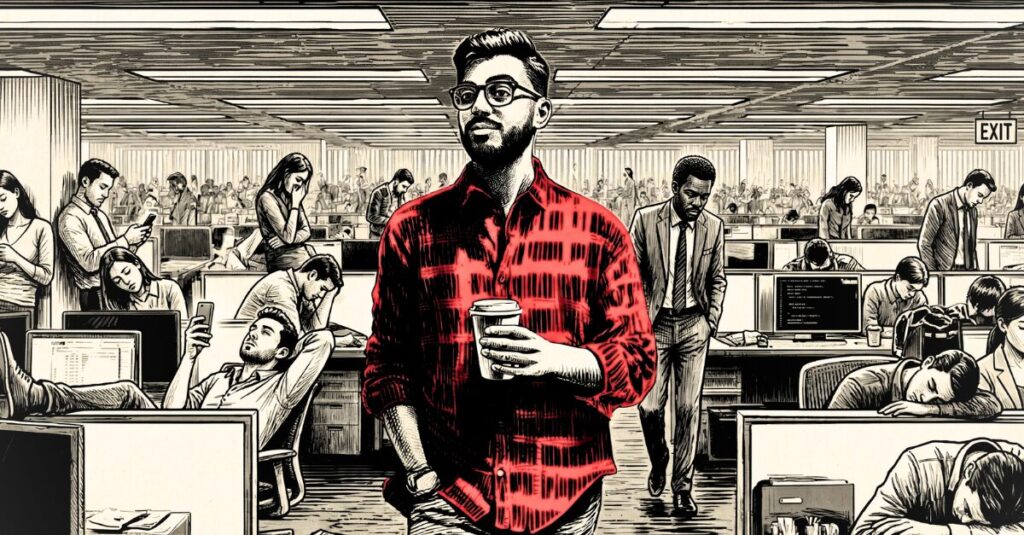
Most people don’t walk into a new job looking to check out. In fact, our 2026 Motivation at Work survey of 1,000 U.S. employees 21+ across various industries, job levels and generations found that 78% started their current role motivated. And yet, 72% now observe disengagement among their coworkers at least some of the time.
That’s not a hiring problem. That’s a leadership problem.
Gallup’s latest data puts active engagement at just 31%, down from a peak of 36% in 2020. That’s roughly 8 million fewer engaged workers over five years. The trend isn’t new, but it’s no longer something we can blame on a bad economy, a global pandemic or a generation that doesn’t want to work hard. The data is telling us something more uncomfortable: We’re losing people after they arrive.
So the question isn’t how to hire more motivated people. It’s what’s happening to them once they’re in the door — and why so many workplaces are quietly draining the very energy people showed up with.
The culprits: Distraction, overload, and lack of clarity
Ask most leaders why their people are disengaging, and you’ll hear answers like burnout, compensation or the wrong culture fit. But the data